
Ohio Scheduled Loss of Use Workers’ Comp Lawyer
Home » Types of Workers’ Compensation Benefits » Scheduled Loss Award
Experienced Cincinnati Workers’ Compensation Attorney for Scheduled Loss Awards

If a worker is involved in a serious work-related accident that results in an amputation or loss of use of a body part by ankylosis or contractures, they are entitled to what is known as a scheduled loss award. If you had the misfortune of being involved in a work accident that caused an amputation or loss of use of an affected body part, reach out to attorney Mark L. Newman today. He has the experience and skills to help injured Ohio workers obtain the medical and scheduled loss benefits they deserve to move forward.
Call (513) 533-2009 or reach out online to schedule a free case review today.
What is a Scheduled Loss Award?
A scheduled loss award is compensation for injured workers who suffer certain injuries resulting in an amputation or severe ankylosis that causes immobility and functional loss of a body part. Under Ohio’s workers’ compensation scheduled loss guidelines, an award is payable for an amputation or loss of use of any of the following body parts:
- Fingers
- Hand
- Arm
- Toes
- Foot
- Leg
- Vision/Eye
- Hearing
What Does “Loss of Use” Mean Under Ohio Workers’ Compensation Law?
Loss of use doesn’t always mean physical removal. In many claims, the affected body part remains attached but is effectively unusable due to nerve damage, crush injuries, or severe restriction of motion. The Ohio Bureau of Workers’ Compensation applies specific legal standards to evaluate loss of use claims, and a treating physician’s medical report must clearly document the functional loss and confirm the worker has reached maximum medical improvement before a scheduled loss claim can move forward.
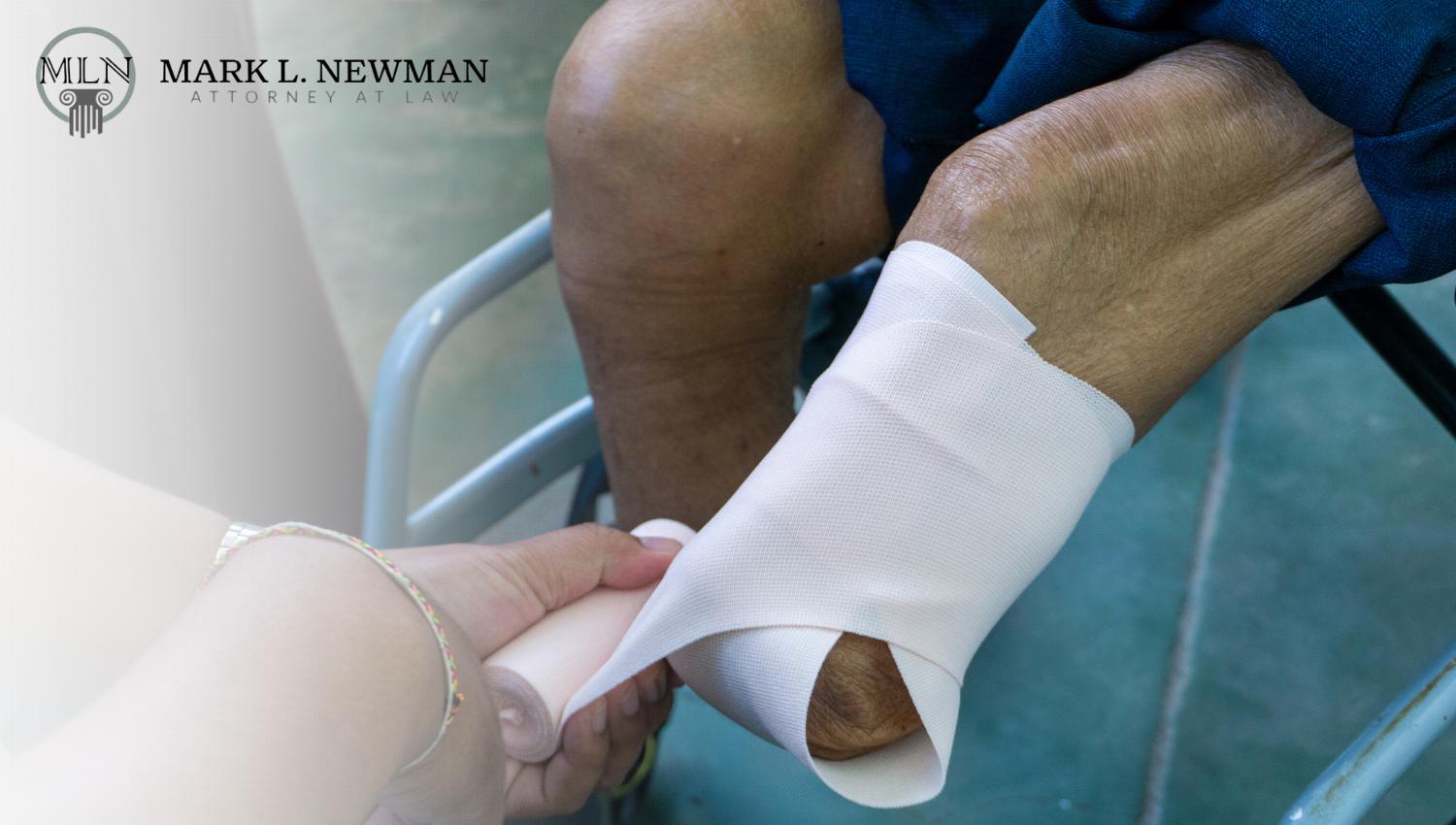
Ohio’s Scheduled Loss Statute
Ohio’s scheduled loss framework is set out in Ohio Revised Code § 4123.57(B). This statutory schedule identifies which body parts and functions qualify for compensation and establishes the legal framework used to calculate awards. Scheduled loss benefits are paid at a fixed weekly compensation rate for a set number of weeks tied to the specific injured body part.
What is a Non-Scheduled Loss of Use Award?
Not every permanent injury fits neatly into the schedule. Injuries that fall under non-schedule classification, sometimes referred to as non-schedule awards or Permanent Partial Disability (PPD), are evaluated differently, generally based on the worker’s percentage of whole-person impairment rather than a fixed scheduled body part.
Injuries That May Qualify for a Scheduled Loss of Use Award and How Long They Are Payable For
As mentioned, Ohio law sets a maximum number of weeks of benefits payable for each type of scheduled injury, and understanding how these awards are calculated can help injured workers determine what compensation they may be entitled to.
Here is the timeline of awards paid under Ohio’s scheduled loss framework, broken down by body part:
Scheduled Loss of an Arm
- 225 weeks of pay.
Scheduled Loss of a Hand
- 175 weeks of pay.
Scheduled Loss of a Leg
- 200 weeks of pay.
Scheduled Loss of a Foot
- 150 weeks of pay.
Scheduled Loss of a Finger or Thumb
- Thumb: 60 weeks
- Index Finger: 35 weeks
- Middle Finger: 30 weeks
- Ring Finger: 20 weeks
- Pinky Finger: 15 weeks
If you lose the tip section of your thumb (the part past the knuckle closest to the nail), that counts as losing half the thumb. If you lose more than half the thumb, it counts as losing the whole thumb.
For any other finger, losing just the tip section counts as losing one-third of that finger, while losing the middle section counts as losing two-thirds of the finger. Losing everything past the base knuckle counts as losing the whole finger.
No matter how many fingers are involved, the total payout can never be more than what you’d get for losing an entire hand.
If the bone in your palm connecting to the injured thumb or finger is also lost, add 10 more weeks to whatever number applies above.
If a finger or thumb becomes permanently stiff or unusable from scarring or injury (rather than actually being amputated), it’s paid the same as if it had been lost.
If someone loses two or more fingers and their job makes that loss especially disabling (for example, a job that depends heavily on hand dexterity), the amount can be increased. Even then, however, it still can’t exceed the payout for losing a whole hand.
Scheduled Loss of Toes
- Big Toe: 30 weeks
- Any Other Toe: 10 weeks
Losing more than two-thirds of a toe counts as losing the whole toe. Losing less than two-thirds doesn’t count as a loss at all, EXCEPT for the big toe: losing it up to the first joint counts as losing half the big toe, and losing it beyond that joint counts as losing the whole big toe
Scheduled Loss of Vision
Total loss of sight in one eye pays 125 weeks.
If you lose only part of your vision, you’re paid a portion of those 125 weeks based on the percentage of vision actually lost, but you have to lose at least 25% of your uncorrected vision (vision without glasses or contacts) to qualify for any payment.
Scheduled Loss of Hearing
Total, permanent loss of hearing in one ear pays 25 weeks. Partial hearing loss in one ear doesn’t qualify; it has to be total.
Total, permanent loss of hearing in both ears pays 125 weeks. As with one ear, partial loss in both ears doesn’t qualify unless it’s complete.

How Do I Request a Scheduled Loss Award?
To request scheduled loss compensation, an injured worker should file a Motion (C-86) with the Ohio Bureau of Workers’ Compensation. The motion must include supporting medical evidence from a treating physician clearly stating that the worker has experienced amputation or permanent loss of use of a body part as a direct result of a work-related accident. After the motion is filed, the Ohio BWC will schedule an independent medical exam. If the BWC doctor reaches a different conclusion than the treating physician, and the medical evidence conflicts, the issue will be scheduled for a hearing before the Industrial Commission of Ohio.
To be certain the exam is fair and you receive the maximum award available under the outlined schedule, consult with a qualified Cincinnati workers’ compensation lawyer like Mark L. Newman ASAP.
Ohio Scheduled Loss of Use Calculator
A scheduled loss award is paid bi-weekly at 100 percent of the statewide worker’s average weekly wage for the year the injury occurred. In 2026, an injured worker can receive up to $1,281 per week for a scheduled loss. The maximum weeks of compensation payable depend on the injured body part, as shown above.
Remember, the schedule also includes pro-rated benefit weeks assigned for each finger, toe, and eye, and hearing loss must be total to qualify for scheduled loss compensation. A worker may also receive a scheduled loss award in addition to other types of workers’ comp benefits, such as permanent partial disability, and it’s possible to receive multiple scheduled loss of use awards at once for separate injured body parts, such as a combined knee-foot injury from a single work-related accident.
Can You Receive Other Workers’ Compensation Benefits Along With a Scheduled Loss Award?
Yes. In many cases, an injured worker may qualify for multiple workers’ compensation benefits in addition to a scheduled loss award. A scheduled loss award is an additional cash payment available for certain injuries involving the permanent disability or loss of use of specific body parts. It does not automatically replace other benefits you may be entitled to receive following workplace injuries.
Depending on the circumstances of your claim, you may also qualify for permanent or temporary benefits like:
- Ohio Temporary Total Disability (TTD) benefits, which provide temporary disability payments while your injury prevents you from returning to work.
- Ohio Permanent Partial Disability (PPD) benefits, which compensate workers for a permanent impairment resulting from a work-related injury, even if they are able to return to some type of employment.
- Ohio Permanent Total Disability (PTD) benefits, which may be available when a worker’s injuries permanently prevent them from performing sustained employment or eliminate their wage-earning capacity.
- Medical treatment benefits, which cover reasonable and necessary medical care related to your work injury, including ongoing treatment, rehabilitation, medications, and medical equipment.

Can You Receive Scheduled Loss Benefits As a Lump Sum Payment?
Although scheduled loss benefits are generally paid as a weekly benefit based on the number of weeks assigned to the specific loss, injured workers can opt for a lump-sum payment or settlement if they choose. A workers’ compensation attorney with a thorough knowledge of lump sum advancements (LSAs) can determine whether continuing temporary payments or another payment arrangement is the best route for your specific case.
Common Challenges in Scheduled Loss of Use Claims
Common obstacles include:
- Disputes over the extent of impairment
- Objections from the employer or Bureau of Workers’ Compensation
- Insufficient medical evidence
- Unfavorable Independent Medical Examinations
- Claims that are denied or undervalued
Evidence Needed to Prove a Loss of Use Claim
Strong claims are built on complete medical records and treatment history, clear physician opinions, functional capacity evaluations, diagnostic imaging confirming the extent of the injury, and testimony describing how the injury limits daily activities. Workers who suffer injuries in physically demanding roles, such as a construction worker who sustains workplace crush injuries, often need especially thorough documentation to support the percentage loss claimed.
What Happens if Your Scheduled Loss Claim Is Denied?
Claims are commonly denied due to insufficient medical documentation, disputes over whether maximum medical improvement has been reached, or conflicting doctors’ reports. A denial can be appealed through the Ohio Industrial Commission, where additional evidence can be presented to support the claim. Experienced legal counsel from a qualified Ohio workers’ comp appeals lawyer is critical during this process, since appeals often hinge on how effectively the medical evidence is presented and challenged.
How an Ohio Scheduled Loss of Use Lawyer Can Help After a Work-Related Injury
An experienced attorney like Mark Newman can evaluate your eligibility for benefits, help obtain supporting medical opinions, prepare and file claims correctly, represent injured workers at hearings before the Industrial Commission, and work to maximize the compensation available, whether that means a scheduled award, a non-scheduled award, or a combination of benefits.

Contact Cincinnati Attorney Mark L. Newman Today
If you or a loved one suffered an amputation or loss of use of a body part because of an on-the-job injury, contact Ohio workers’ compensation attorney Mark L. Newman today for a free consultation to learn about your rights and pursue maximum compensation for your injury. You can reach him at (513) 533-2009 or by completing the online intake form.
Schedule A Consultation Today
Injury or disability?
Contact Us Now