
Get The Help And Results You Need After An Injury
Home » Cincinnati Workers’ Compensation Lawyer » Types Of Work Injuries » Broken Bones
Broken Bone at Work in Ohio
Cincinnati Workers’ Compensation Attorney for Broken Bones & Fractures in the Workplace
Whether you work on a construction site, in a warehouse, or in a healthcare facility, a workplace accident resulting in a bone fracture can strip away your ability to perform your job duties and support yourself and your family. Fortunately, Ohio workers’ compensation law provides injured employees with financial support for medical expenses, lost wages, and rehabilitation costs following a serious workplace injury.
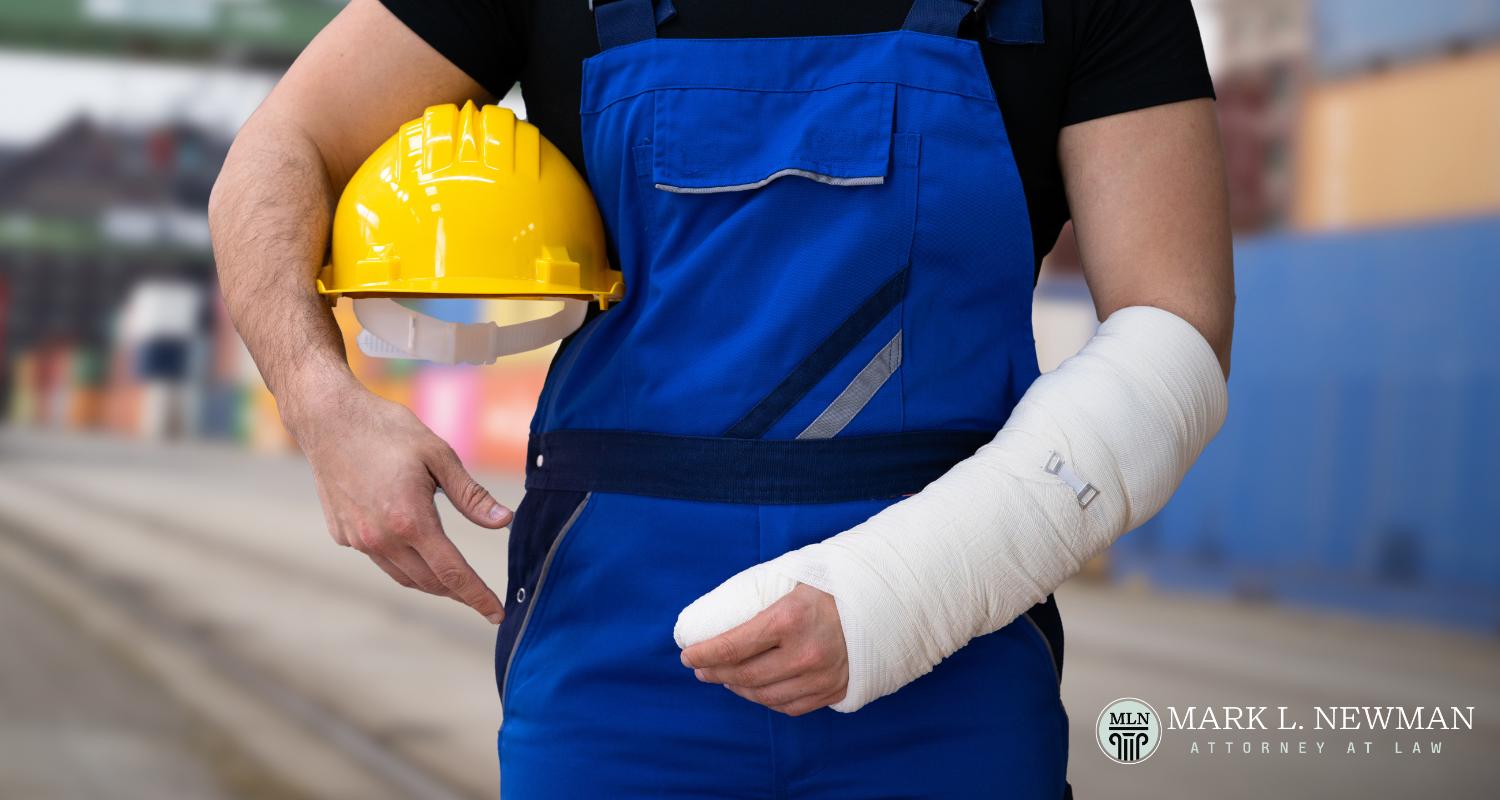
When a broken bone at work turns your life upside down, you need an attorney who understands the Ohio workers’ compensation system and knows how to fight for the benefits you deserve. Mark L. Newman is a Cincinnati workers’ compensation attorney who dedicates his practice to helping injured workers navigate the claims process after serious workplace injuries, including bone fractures that affect their ability to earn a living.
Call (513) 533-2009 or reach out online today to set up a free consultation and take the first step toward securing the benefits you deserve.
Work-Related Broken Bone Injuries in Ohio
Broken bones rank among the most common workplace injuries reported to the Ohio Bureau of Workers’ Compensation each year, affecting workers across virtually every industry and occupation. Understanding the types of work injuries that most frequently lead to fractures can help workers recognize hazards before an accident occurs and know their rights when one does.
Ohio workers in high-risk industries face hazards that can lead to a bone fracture in an instant, making proper safety protocols and employer accountability critically important. Reporting a workplace injury to your employer immediately after it happens protects your ability to file a workers’ compensation claim and preserves the medical evidence you will need to recover the compensation you are owed.
Common Causes of Broken Bones at Work
- Wet, uneven, or cluttered walking surfaces can cause sudden slip-and-fall accidents at work, leading to broken wrists, ankles, and legs.
- Falls from ladders, scaffolding, or elevated platforms may result in severe injuries such as compound or displaced fractures that require surgery and extended recovery.
- Falling objects on a job site can strike workers and cause fractures in the hands, arms, or feet.
- Machinery accidents and workplace crush injuries may expose workers to crushing forces capable of breaking bones.
- Vehicle and forklift accidents on construction sites and in warehouse environments can lead to serious fractures when equipment is operated negligently or malfunctions.
- Other types of auto accidents while working, such as when a negligent driver causes a collision involving a company vehicle or a worker traveling for job-related tasks.

Types of Broken Bone Injuries Seen in the Workplace
The type and severity of a broken bone directly affect recovery time, the scope of medical treatment required, and the workers’ compensation benefits an injured employee may be entitled to receive under Ohio workers’ compensation law.
Broken Leg Injuries
Femur, tibia, and fibula fractures are among the most debilitating injuries a worker can suffer, as the leg bones bear the body’s full weight during standing, walking, and virtually all movement required on the job. A broken leg severely limits mobility, making it impossible for most injured workers to perform their job duties and often resulting in extended time away from work and significant lost wages.
Broken Arm Injuries
Upper arm fractures involving the humerus and forearm fractures involving the radius or ulna commonly result from falls and machinery accidents in the workplace, leaving workers unable to lift, carry, or perform manual tasks during healing. These injuries can vary widely in severity, from a simple fracture that heals with immobilization to a compound fracture requiring surgical intervention, hardware placement, and months of physical therapy.
Broken Wrist Injuries
Fall on outstretched hand injuries, commonly called FOOSH injuries, are a leading cause of broken wrist claims among workers in construction, healthcare, and warehouse jobs where slipping or tripping hazards are prevalent. The wrist contains multiple small bones, and fractures in this area frequently require casting, bracing, or surgery followed by occupational therapy to restore grip strength and range of motion.
Workers who rely on their hands for manual labor often face significant challenges returning to the same job after a wrist fracture, and some experience permanent impairment that affects their long-term earning capacity.
Broken Ankle Injuries
Twisting injuries and falls cause the majority of broken ankle fractures at work, and these injuries bring immediate weight-bearing limitations that prevent injured workers from standing or walking for weeks or months at a time. Ankle fractures carry a real risk of complications, including joint instability, arthritis, and nerve damage that can produce chronic pain and lasting effects long after the initial injury.
Without proper medical care and a well-managed treatment plan, broken ankle injuries can result in permanent disability that affects an injured worker’s ability to return to their previous job or any comparable employment.
Other Common Workplace Fractures
Workplace accidents can cause a wide range of serious injuries, including fractures that affect parts of the body beyond the arms or legs. The type and severity of a fracture may depend on how the injury occurred, the force of the accident, and whether a worker has pre-existing conditions that make certain bones more vulnerable. For example:
- Broken ribs
- Fractured collarbone (clavicle)
- Pelvic fractures
- Hand fractures
- Foot fractures
- Spinal fractures
- Repetitive stress fractures
Symptoms and Complications of Broken Bones
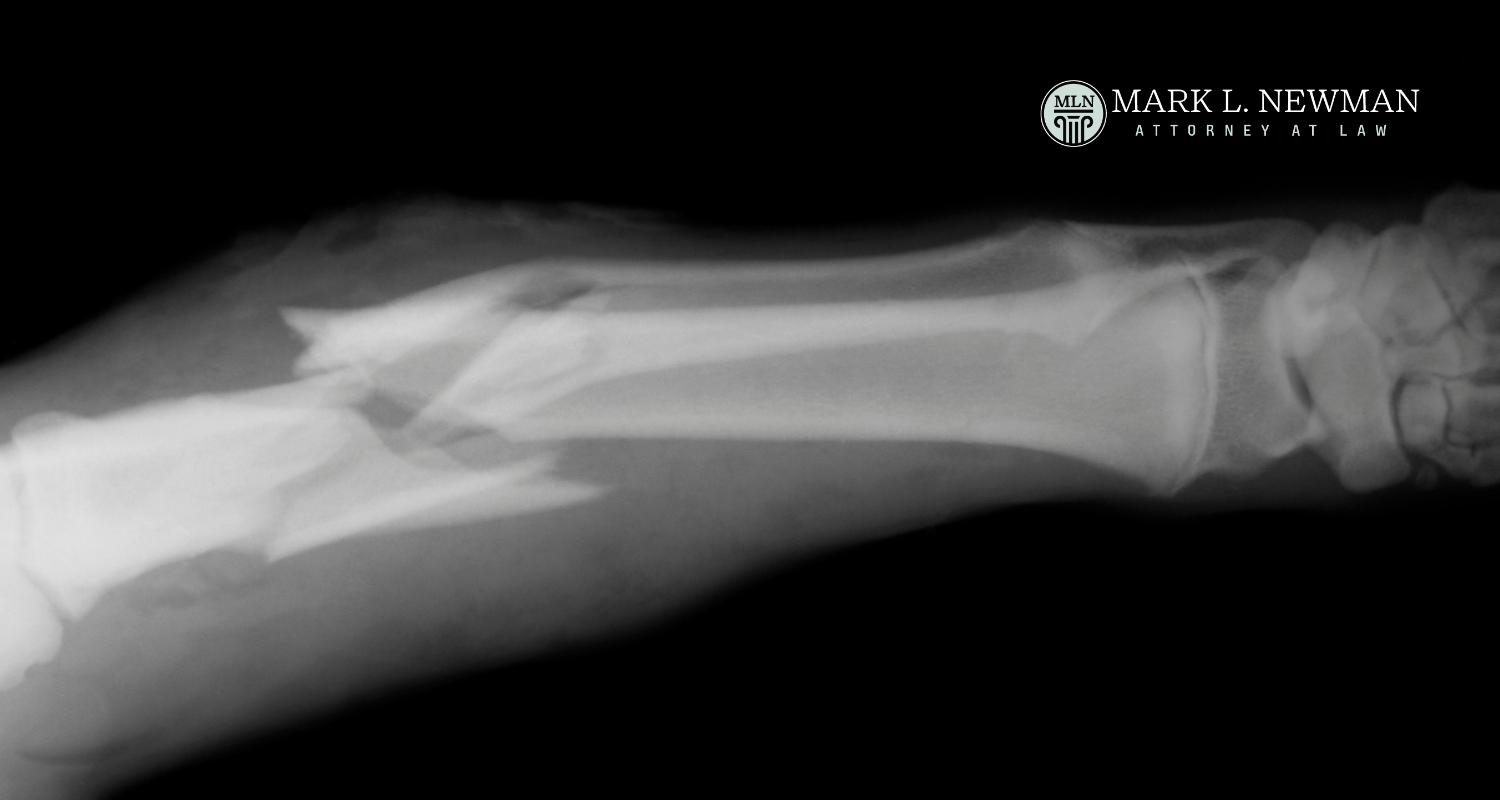
A broken bone typically produces immediate and intense pain at the injury site, accompanied by swelling, bruising, and a rapid loss of function in the affected limb or body part. Surgical fractures, such as displaced fractures and compound fractures, demand more aggressive medical treatment than non-surgical simple fractures, and they carry a higher risk of infection, improper healing, and the need for additional treatment down the road.
Even after a fracture heals, many injured workers contend with long-term stiffness, chronic pain, and reduced range of motion that interfere with their ability to perform work at the level they did before the workplace injury. Documenting these lasting effects with consistent medical evidence strengthens your workers’ compensation claim and supports your right to additional benefits.
Can You Work While Recovering From a Broken Bone?
Most injured workers recovering from a bone fracture receive light-duty restrictions from their treating physician that limit lifting, carrying, standing, or other activities that stress the injury site and slow recovery. Employers are required to make reasonable accommodations for workers’ comp work restrictions in Ohio, and when no suitable light-duty work exists, the injured employee may qualify for workers’ compensation benefits.
What to Do After Breaking a Bone at Work in Ohio
- After a workplace accident results in a broken bone, report the injury to your employer immediately. Ohio law requires prompt notice to preserve your right to file a workers’ compensation claim.
- Seek medical treatment right away, both to protect your health and to create the official medical documentation that will serve as the foundation of your workers’ comp claim.
- Document everything you can about how the accident happened, including photographs of the scene, written descriptions of your symptoms, and the names of any witnesses who observed the injury.
- Contact an experienced Ohio workers’ compensation attorney as early as possible in the claims process to help protect your benefits and prevent costly mistakes.
Ignoring work restrictions and returning to full activity too soon risks re-injury, complications, and a longer overall recovery time that can ultimately reduce the maximum compensation available under your claim. Always follow your physician’s treatment plan and keep your employer informed of any changes to your restrictions throughout your recovery.

Ohio Workers’ Compensation Coverage for Broken Bones
Ohio workers’ compensation should cover the full cost of reasonable and necessary medical treatment for workplace injuries, including emergency care, surgery, imaging, physical therapy, occupational therapy, and any additional treatment your authorized physician recommends as part of your recovery. Injured workers who cannot perform their job duties due to a bone fracture may qualify for wage loss compensation and temporary total disability benefits, which replace a portion of lost wages while they remain off work under a physician’s care.
If you have permanent injuries, permanent partial disability in Ohio may be awarded, and workers with the most severe injuries may qualify for permanent total disability benefits that provide long-term financial support.
How Cincinnati Workers’ Compensation Attorney Mark L. Newman Can Help
If a broken bone injury occurred while on the clock, a skilled Cincinnati workers’ comp attorney like Mark Newman can help ensure you receive the benefits you deserve. This includes pursuing coverage for medical bills, lost income, and other disability benefits available under Ohio law. His goal is to help workers protect their financial stability while they focus on healing and working toward a full recovery.
Attorney Mark L. Newman also helps clients pursue additional benefits when a fracture leads to lasting limitations. Depending on the severity of the injury, injured workers may qualify for PPD benefits, PTD benefits, or other disability benefits through the Ohio workers’ comp system. By carefully reviewing medical records and advocating for you throughout the claims process, he works to help injured workers recover damages and secure the compensation they need after a serious workplace injury.

Speak With an Experienced Attorney About Your Ohio Broken Bone Workers Compensation Claim
Medical treatment, hospital bills, and time away from work can quickly create financial stress after a workplace injury. If you suffered a broken bone or fracture at work, taking action early can make a meaningful difference in protecting your rights and benefits.
Speaking with an experienced workers’ compensation attorney is a smart move when you need guidance about your claim and the benefits available to you. Contact Mark Newman at (513) 533-2009 or reach out online today to discuss your situation.
Talk To A Knowledgeable Ohio Workers’ Compensation Attorney
Injury or disability?
Contact Us Now





Mark L. Newman Attorney at Law
3074 Madison Road Suite 2N
Cincinnati, OH 45209
Phone: (513) 533-2009
Fax: (513) 991-6439
© 2026 by Mark L. Newman, Attorney at Law.
All rights reserved. Disclaimer | Site Map | Privacy Policy