Cincinnati, Ohio Vocational Rehabilitation Workers’ Comp Lawyer
Home » Types of Workers’ Compensation Benefits » Vocational Rehabilitation
Experienced Workers’ Compensation Attorney Helping Injured Workers With Ohio Vocational Rehabilitation Services
A serious work injury can change more than your health. It can also affect your ability to do the job you’ve built your career around, leaving you with difficult questions about your income and your future. Ohio’s workers’ compensation system offers vocational rehabilitation services designed to help injured workers stay employed or get back to work, but understanding how the program works (and making sure it works for you) isn’t always simple.
Mark L. Newman is a Cincinnati workers’ compensation lawyer who helps injured Ohio workers understand vocational rehabilitation, return-to-work options, BWC benefits, and disputes involving rehabilitation plans. Whether you’re just starting to explore rehabilitation or you’re facing challenges with a plan that isn’t meeting your needs, Mark is dedicated to protecting your rights and helping you move forward.
Call (513) 533-2009 or reach out using the online contact form to schedule a free initial consultation to discuss your case with Mark L. Newman, Attorney at Law, today.
What Is Vocational Rehabilitation?
Vocational rehabilitation is a program that helps injured workers overcome the obstacles a work injury creates in finding or keeping a job. Under Ohio’s workers’ compensation rules, vocational rehabilitation focuses on restoring an injured worker’s vocational functioning and helping that worker remain at work or return to employment after a work-related injury.
Rather than focusing only on medical recovery, vocational rehabilitation looks at the practical side of getting back to work: what the worker can safely do, what skills they already have, and what support they need to reach a realistic job goal. Participation is voluntary, meaning an injured worker generally cannot be forced into the program.
How Ohio Vocational Rehabilitation Works After a Workplace Injury
The process generally begins with a referral. Once a worker is referred, two separate reviews take place. The Ohio Bureau of Workers’ Compensation (BWC) determines whether the worker meets the program’s eligibility requirements, while the managed care organization (MCO) assigned to the claim evaluates whether rehabilitation is feasible, meaning whether services are likely to help the worker return to employment.
If the worker is found both eligible and feasible, a vocational rehabilitation counselor is typically assigned to the case. The counselor works with the injured worker, their physician, and sometimes the employer to assess the worker’s abilities, identify barriers to employment, and develop an individualized plan. Once the plan is approved, the worker begins participating in the services it outlines, and the counselor monitors progress along the way.

Who Qualifies for Vocational Rehabilitation in Ohio?
Ohio BWC has specific eligibility requirements for its vocational rehabilitation program. An injured worker generally needs an allowed claim, a work-related barrier to employment, and qualifying compensation, restrictions, or other circumstances identified by Ohio’s rehabilitation rules. Each of these requirements is reviewed based on the facts of the individual claim. We explain these in further detail below.
What Disabilities Qualify for Vocational Rehabilitation?
Ohio workers’ compensation does not simply use a list of qualifying disabilities. Eligibility generally depends on the allowed conditions in the workers’ compensation claim and whether those conditions significantly interfere with obtaining or maintaining employment. Allowed conditions may include physical injuries as well as psychological or mental health conditions recognized in the claim.
It’s worth noting that the BWC program is separate from Opportunities for Ohioans with Disabilities (OOD), the state agency that provides vocational rehabilitation programs for individuals with disabilities more broadly, including physical, mental health, intellectual, and sensory disabilities, whether or not they’re related to a work injury. Professional VR counselors at OOD may be another resource for some workers, particularly if they don’t qualify for rehabilitation through their workers’ compensation claim.
Ohio BWC Vocational Rehabilitation Eligibility Requirements
To be eligible for vocational rehabilitation through the Ohio Bureau of Workers’ Compensation, an injured worker generally must meet several requirements:
- An Allowed Claim. The worker must have a workers’ compensation claim that BWC or the self-insured employer has allowed for specific conditions.
- Lost Time or a Significant Work-Related Impact. The injury typically must have caused the worker to miss work or otherwise significantly affected their ability to work.
- Qualifying Compensation or Work Restrictions. Eligibility is often tied to the worker receiving, or having recently received, certain types of compensation, such as temporary total disability, wage loss, or salary continuation, or having medical restrictions from the allowed conditions that create a barrier to employment.
- Employment Status at the Time of Referral. A worker’s current work situation is also taken into account. For example, a worker who has voluntarily retired or left the workforce for reasons unrelated to the injury may not qualify, while a worker who is still employed but struggling because of the injury may be eligible for job retention services.
Because these rules can be technical, reviewing your claim history and medical documentation carefully is an important step before and after a referral.
What Does the Ohio BWC Mean by Vocational Rehabilitation Feasibility?
Eligibility alone does not guarantee participation. The MCO must also determine that rehabilitation is feasible. This generally means the worker must be willing and able to participate, with a reasonable likelihood that rehabilitation services will help the worker return to employment.
Feasibility can be affected by factors such as the worker’s medical stability, the severity of their restrictions, other health concerns, and whether their treating physician supports participation. A worker whose condition is still actively changing, for example, may be found not feasible at one point and feasible later once treatment progresses.
Who Can Refer an Injured Worker for Ohio Vocational Rehabilitation?
Ohio’s rules allow anyone to refer an injured worker for vocational rehabilitation. Common referral sources include:
- Treating physicians
- Employers
- MCOs
- BWC staff
- Attorneys
- Injured workers themselves
- A friend or family member
What matters most is that the referral is followed by a proper eligibility and feasibility review.
What Are Vocational Rehabilitation Services?
Vocational rehabilitation services are the specific tools and resources included in an individualized rehabilitation plan. These services should address the worker’s barriers to employment and support a defined return-to-work goal, rather than simply offering generic job assistance. The right mix of services depends on the worker’s restrictions, work history, skills, and the job market.
Ohio Vocational Rehabilitation Services That May Help You Return to Work
Depending on the worker’s needs, an approved plan may include services such as:
- Vocational evaluations
- Career counseling
- Job placement assistance
- Work adjustment
- Job coaching
- Ergonomic assistance
- Work conditioning
- Appropriate training
Ohio’s rehabilitation program also allows approved plans to include necessary evaluations and case-management services.
Vocational Evaluations and Career Planning
Vocational evaluations help identify a worker’s abilities, restrictions, transferable skills, interests, and realistic employment goals. These assessments may include testing, interviews, a review of the worker’s educational background and work history, and input from the treating physician. The results help the counselor and worker set a job goal that fits both the worker’s medical limitations and the opportunities available in the local job market.
Job Search and Placement Assistance
Job search and placement services help injured workers identify suitable jobs consistent with their restrictions and vocational abilities. This may include resume assistance, interview preparation, job leads, and matching the worker with employers who are hiring for positions that fit the plan’s goals. The aim is to connect the worker with realistic, sustainable employment rather than any available job.
Job Modification and Job Retention Services
Rehabilitation may help an injured worker remain with a current employer through changes to duties, equipment, ergonomics, or other approved accommodations. For example, a workstation may be adjusted to improve accessibility, or specialized tools may be provided to reduce strain on an injured body part. These services can be especially valuable for workers who want to stay with an employer they know, and they often benefit employers as well by retaining an experienced employee.
Training and Skill Development
When returning to the former position is not possible or an employer cannot accommodate work restrictions, a plan may include remedial education, skill enhancement, or short-term training. This could involve coursework at a local school or training program, computer skills training, or certification in a new field. Ohio BWC’s return-to-work hierarchy specifically recognizes training when needed to reach an appropriate employment goal, though training is generally tied to a specific, achievable job outcome.
Vocational Rehabilitation Services Ohio Workers May Receive Through an Individualized Plan
Every approved rehabilitation plan is built around the individual worker. The plan identifies the worker’s return-to-work goals, barriers to employment, required services, estimated costs, expected duration, and strategies for returning to employment. The worker generally reviews and signs the plan as an agreement, along with the vocational rehabilitation counselor.
It’s important to understand your responsibilities under the plan, including attendance, appointments, and the schedule for completing each phase, before signing.
Living Maintenance During Ohio Vocational Rehabilitation
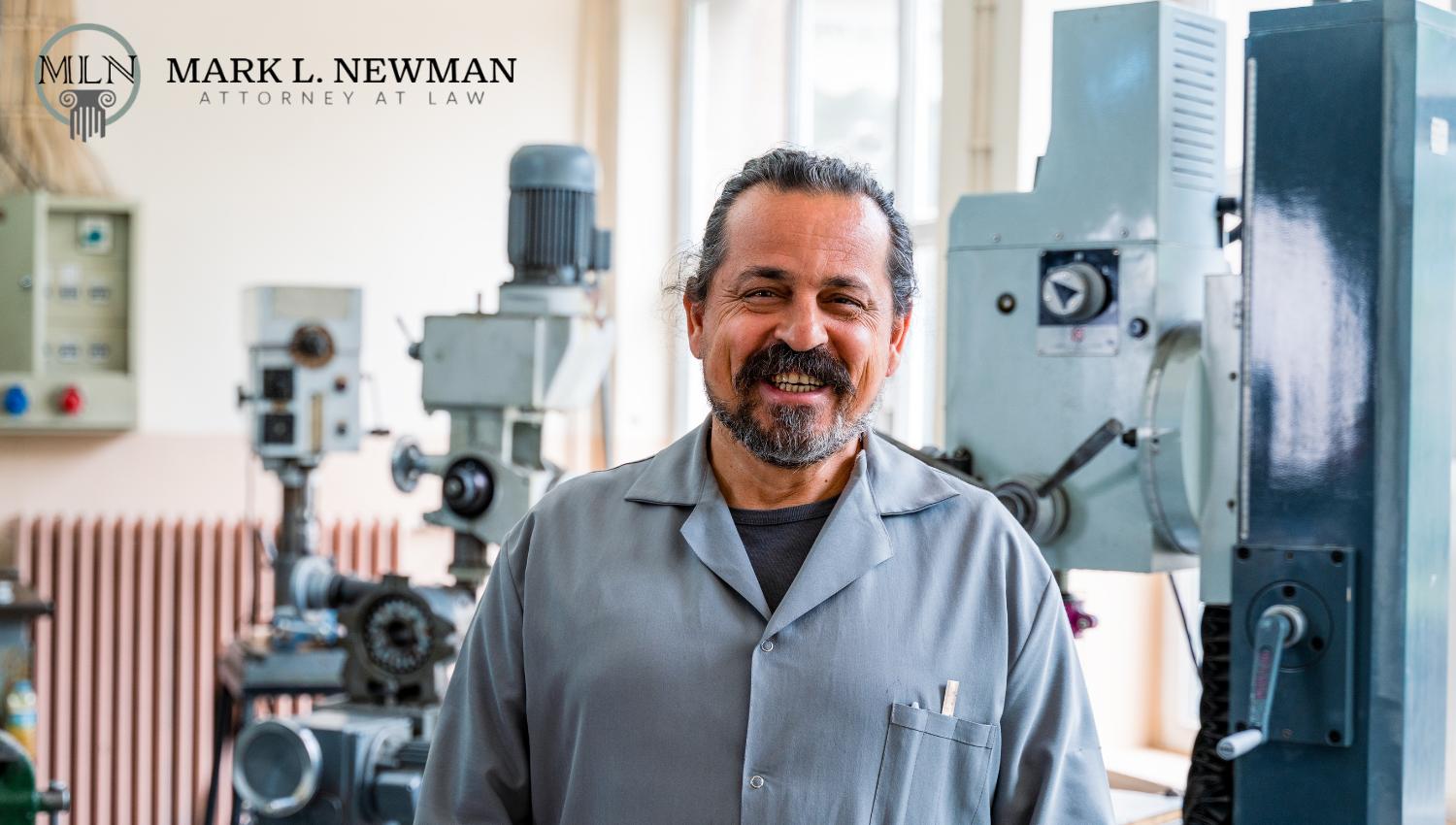
An approved worker may qualify for living maintenance compensation in Ohio while actively participating in an approved vocational rehabilitation assessment or comprehensive plan. Living maintenance is intended to provide income while the worker focuses on rehabilitation rather than on returning to work immediately. Payments generally begin when active participation in the approved plan starts, and continued payment depends on the worker meeting the plan’s requirements.
Living Maintenance Wage Loss After Vocational Rehabilitation
Some workers who complete an approved plan and return to work at reduced earnings may qualify for living maintenance wage loss compensation in Ohio. This benefit is designed to help make up part of the difference between what the worker earned before the injury and what they earn in their new position, for a limited period. Physical or psychiatric limitations caused by allowed claim conditions can affect eligibility, since the reduced earnings generally must be connected to those limitations rather than to unrelated factors.
Vocational Rehabilitation Ohio BWC Return-to-Work Priorities
Ohio BWC follows a hierarchy when determining how to return an injured worker to employment. The general order of priorities is:
- Return to the original job with the original employer.
- Modify the original job or find another job with that employer.
- Find employment in a related industry.
- Find suitable employment in another industry.
Training may become part of the plan when needed to accomplish these goals. This hierarchy helps explain why many plans begin by exploring options with the current employer before moving to new industries, and why a proposed job goal may not always match what the worker initially hoped for.
FAQs About Vocational Rehabilitation in Ohio
What Does Vocational Rehabilitation Pay For?
Vocational rehabilitation pays for approved services and related expenses included in the worker's plan, but not every expense receives coverage automatically. Plans may fund vocational evaluations, case management, training, job-related services, and certain qualifying rehabilitation expenses, such as some transportation or supply costs connected to plan participation. If you have concerns about whether a particular expense will be covered, it's best to raise it with your counselor or workers’ comp attorney before the expense is incurred.
Can Ohio Vocational Rehabilitation Help if You Cannot Return to Your Old Job?
Yes. When medical restrictions prevent a return to the former position, rehabilitation may shift toward another job with the same employer, employment in a related occupation, or work in another industry. In these situations, evaluations, job search assistance, and training often play a larger role in helping the worker reach a new job goal.
Can You Receive Ohio Vocational Rehabilitation Services While Working?
Yes. Job retention services may be available for workers who are currently employed but face significant work-related problems caused by the allowed conditions in their claim. These services can help prevent a worker from losing their job due to ongoing problems occurring as a result of the injury.
What Happens if Ohio BWC Denies Vocational Rehabilitation?
Denials often involve issues with eligibility, feasibility, medical restrictions, claim status, or missing documentation. For example, a worker may be found not feasible because a physician hasn't released them to participate, or ineligible because of questions about their compensation history. An order approving or denying participation may be appealed to the Ohio Industrial Commission, where the worker can present evidence at a hearing.
What Happens if Your Vocational Rehabilitation Plan Is Closed?
A rehabilitation plan may close for several reasons, including successful completion, failure to meet plan responsibilities, inability to reach plan goals, refusal of suitable employment without good cause, settlement of the claim, or loss of rehabilitation feasibility. How a plan closes can affect future Ohio workers’ comp benefits, so if you believe your plan was closed unfairly, it may be worth having the decision reviewed.
Can Vocational Rehabilitation Affect Other Ohio Workers’ Compensation Benefits?
Vocational rehabilitation can interact with temporary total compensation, wage loss, living maintenance, and other benefits. For example, living maintenance is typically paid in place of temporary total compensation during active plan participation. However, denial of rehabilitation does not automatically eliminate other compensation for which the worker otherwise qualifies. Understanding how these benefits fit together can help injured workers avoid unexpected gaps in income.
How a Cincinnati Workers’ Comp Lawyer Can Help With Vocational Rehabilitation in Ohio
Vocational rehabilitation can be a valuable resource, but injured workers don’t always receive the services they need, and plans don’t always reflect their true abilities or limitations. Attorney Mark L. Newman can review your eligibility, medical restrictions, rehabilitation plan, and proposed return-to-work goals to make sure they’re appropriate for your situation. He can also review benefit calculations, including living maintenance and wage loss, and help resolve disputes with BWC, an MCO, or a self-insured employer.
If your application for vocational rehabilitation was denied, your plan was closed, or you’ve been pressured toward a job that doesn’t fit your restrictions, Mark can help you understand your options and represent you at an Industrial Commission hearing if an appeal is needed. As a partner in your recovery, his goal is to protect your benefits and help you pursue a stable, sustainable future.
Talk With Mark L. Newman About Ohio Vocational Rehabilitation Today
If a work injury keeps you from returning to your former job, or you’re running into problems with an Ohio BWC vocational rehabilitation plan, you don’t have to handle it alone. Mark L. Newman explains your options in plain language, stays accessible throughout your claim, and works to set you up for success as you return to work. To speak with a Cincinnati workers’ compensation lawyer, call the office at (513) 533-2009 or reach out online to schedule a consultation and learn how Mark can help you move forward.
Schedule A Consultation Today
Injury or disability?
Contact Us Now